Luck or skill which truly shapes your gambling destiny
The Role of Luck in Gambling
Luck plays a crucial role in the world of gambling, often seen as the primary factor determining outcomes in games of chance. Whether it’s the roll of dice, the shuffle of cards, or the spin of a roulette wheel, randomness is inherent in these activities. For example, a player in a poker game may have a strong hand but can still lose to an opponent who draws a lucky card. In the context of gambling, players should also consider setting up accounts at different sites to maximize their opportunities. This element of unpredictability not only adds excitement but also creates an environment where fortunes can change in an instant.
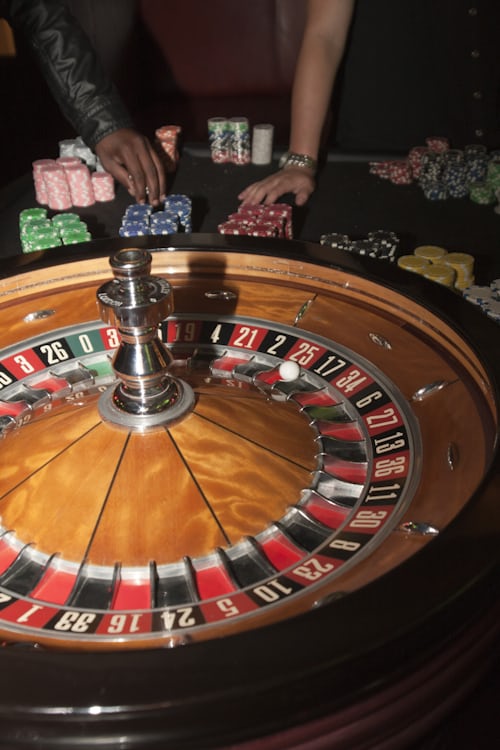
Many gamblers rely on luck to justify their wins or losses. Slot machines are a prime example; they operate purely on random number generators, meaning that no amount of strategy can influence the outcome. Players often indulge in superstitions—like wearing lucky clothing or using specific rituals—believing that these practices can sway luck in their favor. This highlights the deep psychological connection between luck and gambling, where the thrill of potentially winning big keeps players engaged despite the odds.
The notion that luck can determine a player’s destiny raises questions about the fairness of gambling as a whole. While many argue that luck is simply a part of the game, others believe it can foster unhealthy gambling behaviors. When individuals attribute their success or failure solely to luck, it may prevent them from understanding the risks involved or developing better strategies, leading to continued losses and addiction.
The Importance of Skill in Gambling
While luck is undeniably a significant factor, skill plays a vital role in various forms of gambling, particularly in games that require strategy, such as poker or blackjack. Players who invest time in understanding the rules, odds, and strategies can improve their chances of winning. For instance, knowing when to fold or raise in poker can be the difference between a successful hand and a disastrous loss. Successful gamblers often analyze their opponents, calculate odds, and make informed decisions that increase their likelihood of success.
In skill-based games, experienced players utilize various techniques to maximize their potential. Card counting in blackjack is a prime example of how skill can significantly affect outcomes. By keeping track of the cards played, skilled players can determine when to bet higher or lower, providing them with an edge over the house. Similarly, in sports betting, knowledgeable gamblers often leverage statistics and analysis to make informed wagers, demonstrating that skill can sometimes outweigh luck.
The relationship between skill and luck is complex, and it’s crucial for gamblers to recognize the balance between the two. While a novice may rely heavily on luck, seasoned players understand that honing their skills can lead to long-term success. This balanced approach encourages gamblers to view their gaming as both an enjoyable pastime and a serious endeavor, enabling them to navigate the gambling landscape more effectively.
The Intersection of Luck and Skill
The interplay between luck and skill is fascinating and varies greatly across different gambling platforms. In some instances, luck may dominate, while in others, skill might take precedence. For example, in casino games like slots and roulette, luck is the primary factor, as these games are designed to be random. Conversely, games like poker and bridge require skill and strategic thinking, where players can often overcome bad luck through experience and knowledge.
Moreover, the presence of skill can influence how luck is perceived in gambling. For instance, a skilled poker player may attribute a victory to their strategic decisions rather than sheer luck. This perspective can create a sense of control over outcomes, potentially altering a player’s approach to gambling and their emotional responses to wins and losses. Recognizing this interplay can enhance a player’s understanding of their own gambling behavior, providing insights into when to rely on luck and when to employ skill.
The gambling community often debates the significance of luck versus skill, with opinions varying widely. Some assert that games of chance should be left to luck, while others advocate for the importance of skill development. This ongoing dialogue reflects the diverse experiences of gamblers, as each person brings their own perspective on what truly shapes their gambling destiny. This understanding encourages players to engage thoughtfully with their gambling activities, fostering a healthier approach to risk and reward.
The Future Trends in Gambling
The future of gambling is poised for exciting changes as technology continues to advance, and player preferences evolve. With the rise of online casinos and mobile gaming, accessibility has increased dramatically, allowing players to engage in gambling from the comfort of their homes. This shift not only changes how people gamble but also influences the types of games offered, as developers create engaging, skill-based formats that attract a more strategic player base.
Moreover, innovations like virtual and augmented reality are beginning to make waves in the gambling industry. These technologies offer immersive experiences that blend the thrill of physical casinos with the convenience of online gaming. In these environments, players can utilize both luck and skill, navigating their way through games in new and exciting ways. As these trends develop, it will be fascinating to see how they impact the traditional perceptions of luck and skill in gambling.
With changing demographics and preferences, the gambling landscape will likely see an increased focus on responsible gaming practices. As more players become aware of the risks associated with gambling, operators may implement features that promote skill development and reduce reliance on luck. This evolution will reshape the future of gambling, encouraging a more informed and skillful approach to the games that players love.
Exploring the Impact of Online Casinos
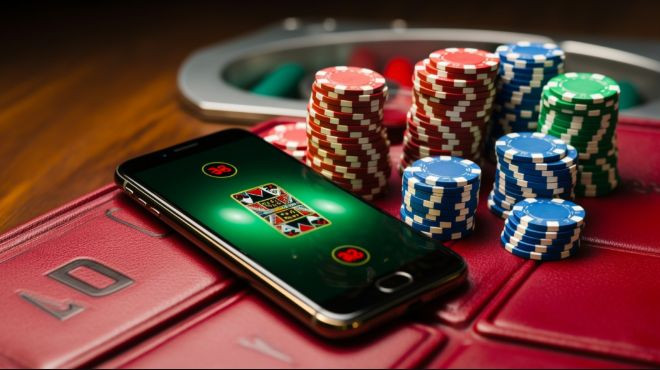
Online casinos have transformed the gambling landscape, offering players unprecedented access to a wide variety of games. With platforms like Uuno casino, individuals can register and start playing within minutes, experiencing the thrill of gambling without the need to travel to a physical location. This convenience has attracted a new generation of gamblers, eager to test their luck and skill in the virtual arena.
The dynamic nature of online gambling allows for innovative game designs that incorporate elements of both luck and skill. Many online games, from poker to various casino classics, are designed to cater to players looking to enhance their skills while still enjoying the excitement of chance. This hybrid model encourages players to engage more deeply with the games, exploring strategies that can lead to improved outcomes.
As the online casino industry continues to evolve, it will be essential for players to stay informed about emerging trends and strategies. Websites dedicated to providing resources and insights will become invaluable tools for those looking to navigate their gambling journey effectively. Through continuous learning and adaptation, players can better position themselves for success, whether their journey is shaped by luck, skill, or a combination of both.