Understanding the psychological impacts of risky gambling behavior
The Nature of Risky Gambling Behavior
Risky gambling behavior often manifests in various forms, from chasing losses to overestimating one’s chances of winning. These behaviors are deeply rooted in psychological principles such as cognitive biases, where individuals may interpret their experiences in a way that reinforces their beliefs. For instance, the illusion of control leads gamblers to believe they can influence the outcome of games of chance, which can perpetuate their engagement in risky behaviors. Recognizing the importance of managing your bankroll is critical, especially when considering options like the grand hotel casino, which offers resources to help players maintain control over their finances.
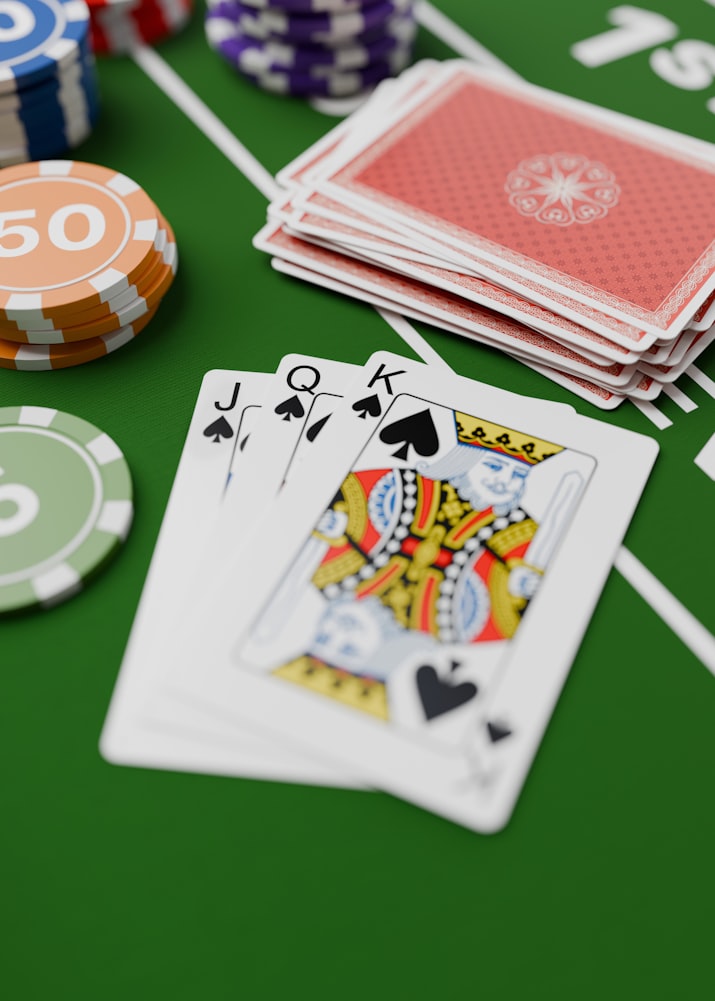
Moreover, risk-taking in gambling can be linked to various personality traits, including impulsivity and thrill-seeking. Those with these traits may be drawn to high-stakes environments, finding excitement in the unpredictability of outcomes. This can create a vicious cycle; as individuals experience wins, they may become more inclined to take larger risks, subsequently leading to larger losses. Recognizing these behaviors is critical for both individuals and those around them, as it can serve as an early warning sign of developing gambling-related issues.
Additionally, environmental factors can influence the tendency toward risky gambling behavior. Situational elements, such as the availability of gambling venues and peer influences, can encourage individuals to engage in gambling more frequently or at higher stakes. Social contexts, including the normalization of gambling among friends or family, may also play a significant role in shaping an individual’s gambling habits. Understanding these influences is essential for developing effective prevention strategies and support systems.
The psychological impacts of gambling addiction can be profound, affecting not only the individual but also their relationships and social networks. People struggling with gambling addiction often experience feelings of shame, guilt, and anxiety, creating a barrier to seeking help. This emotional turmoil can lead to a deterioration of mental health, with conditions such as depression and heightened stress becoming prevalent. Understanding these effects is crucial for those attempting to support someone dealing with gambling issues.
Furthermore, the financial strain often associated with gambling addiction exacerbates these psychological effects. Many individuals may resort to deceitful behaviors, such as lying about their gambling habits or stealing to finance their addiction. These actions can create a cycle of guilt and shame, further entrenching them in their behavior. By recognizing the relationship between financial distress and psychological well-being, it becomes clear that addressing one aspect may significantly benefit the other.
Family dynamics are also heavily impacted by gambling addiction. Relationships often suffer due to broken trust and the prioritization of gambling over familial responsibilities. Spouses and children may feel neglected or abandoned, leading to further emotional distress within the family unit. Understanding these dynamics can help in developing strategies for family intervention and support, thereby offering a more holistic approach to recovery.
The Role of Cognitive Behavioral Therapy (CBT)
Cognitive Behavioral Therapy (CBT) has emerged as a prominent treatment for addressing risky gambling behavior. By focusing on identifying and altering distorted thought patterns, CBT helps individuals understand the motivations behind their gambling habits. Through this therapeutic approach, individuals can learn to challenge the irrational beliefs that contribute to their risk-taking behaviors, fostering healthier coping mechanisms. For instance, someone who believes they are “due” for a win can learn to recognize this thought as a cognitive distortion and replace it with more rational thinking.
Moreover, CBT emphasizes the development of practical skills that individuals can utilize in high-risk situations. Techniques such as mindfulness, emotional regulation, and problem-solving are taught, enabling individuals to better manage their impulses and make informed decisions regarding their gambling activities. These skills can serve as essential tools in preventing relapse and maintaining long-term recovery, offering a structured pathway for those looking to reform their gambling behavior.
The effectiveness of CBT has been supported by numerous studies, demonstrating significant reductions in gambling behaviors among participants. While not a panacea, this therapeutic approach offers a viable framework for those grappling with gambling addiction, providing both immediate strategies for managing urges and long-term skills for healthier living. As awareness of the benefits of CBT grows, more individuals can access this valuable resource in their journey toward recovery.
Support Systems and Community Resources
Establishing a strong support system is vital for individuals attempting to overcome risky gambling behaviors. Friends and family can provide emotional backing, encouragement, and accountability. However, it’s essential for loved ones to approach the subject with sensitivity and understanding, as many may feel defensive or ashamed about their gambling habits. Open dialogue and non-judgmental discussions can help create a safe space for those affected to share their experiences and seek help.
In addition to personal networks, community resources play a significant role in providing support for individuals dealing with gambling addiction. Organizations dedicated to gambling recovery often offer helplines, support groups, and counseling services. Engaging in these community resources can foster a sense of belonging and reduce feelings of isolation, reinforcing the notion that recovery is possible. Many people find solace in connecting with others who share similar struggles, creating an invaluable network of support.
Furthermore, awareness campaigns focused on responsible gambling can empower individuals to make informed decisions. By promoting education around the risks associated with gambling, communities can help mitigate the potential for addiction before it begins. Workshops, informational sessions, and outreach programs can provide critical knowledge and resources, equipping individuals with the tools to engage in gambling responsibly and seek help when necessary.

Exploring Grand Hotel Casino Canada
Grand Hotel Casino Canada recognizes the importance of responsible gambling and strives to create a safe and enjoyable environment for its players. With a commitment to promoting healthy gaming habits, the platform offers resources and support for individuals looking to manage their gambling behavior effectively. From informative articles to helpful tools, Grand Hotel Casino Canada aims to foster a responsible gaming culture.
The casino’s extensive library of games provides a diverse experience for players while encouraging them to practice responsible gambling. By offering various gaming options, the platform allows players to engage in entertainment without overwhelming themselves with high-stakes decisions. The inclusion of secure payment methods and 24/7 customer support further emphasizes the casino’s dedication to player safety and satisfaction.
In conclusion, understanding the psychological impacts of risky gambling behavior is crucial for fostering healthier gaming experiences. Grand Hotel Casino Canada actively participates in promoting responsible gaming practices, ensuring that players have access to the necessary tools and resources for managing their gambling habits effectively. Whether you are new to gaming or a seasoned player, the platform aims to provide a safe and engaging environment tailored to individual preferences.
“`